


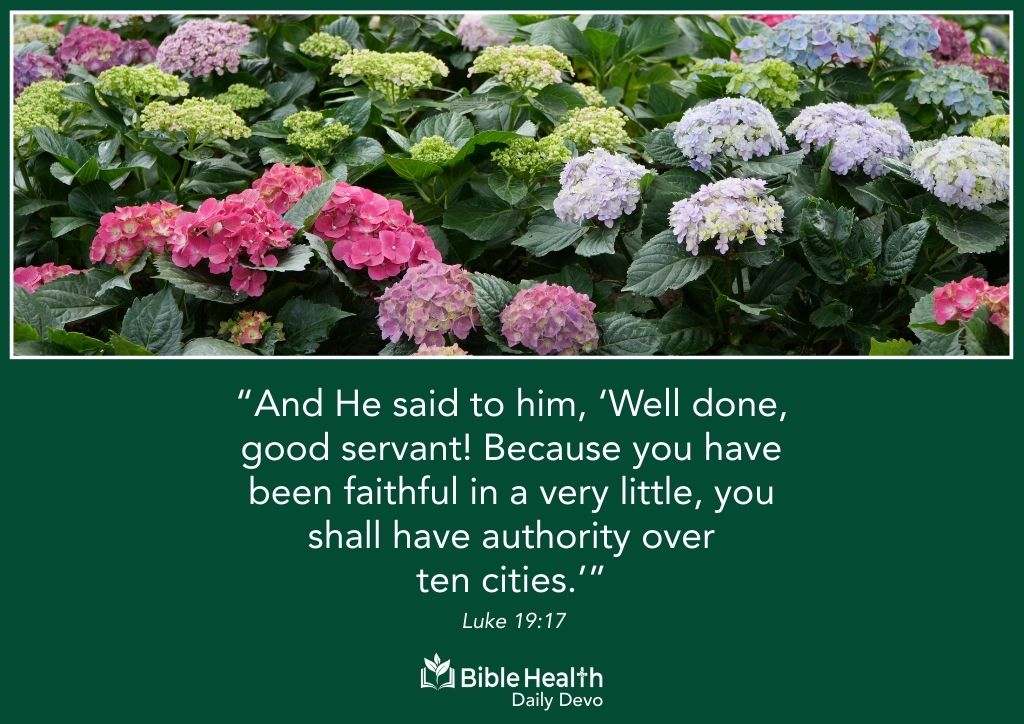


~ Luke 19:17
Subscribe to this podcast on iTunes | Spotify
Jesus speaks these words in the parable of the ten minas as He approaches Jerusalem. The parable is about stewardship during a season of waiting. A nobleman entrusts resources to his servants before leaving, expecting faithfulness rather than speculation or passivity. When he returns, the evaluation is not based on comparison between servants, but on how each handled what was given.
The commendation Jesus gives centers on faithfulness in small things. The servant is not praised for ambition or visibility, but for reliability. Faithfulness here means consistent care, wise use, and responsibility over time. Jesus makes clear that trustworthiness with little reveals readiness for more. The reward is not merely increase, but expanded responsibility rooted in proven character.
This teaching reframes how success is measured. God values faithfulness more than outcomes that appear impressive. The servant did not control the size of the initial gift. He controlled how he stewarded it. Jesus shows that faithfulness is not about having more, but about honoring what is already entrusted. This principle applies across all areas of life.
This truth speaks directly to Biblical health. God does not cause sickness, and health is not managed through dramatic overhauls alone. It is shaped by small, repeated acts of stewardship. Faithfulness shows up in daily habits, not occasional intensity. Caring for the body consistently honors the trust God has placed in each person.
Food is one clear expression of this stewardship. God-made foods support nourishment in steady, reliable ways. Choosing them regularly reflects faithfulness with daily provision. Ultra-processed foods often appeal to convenience and immediacy, but they tend to undermine long-term stability. Faithfulness chooses what supports life over time, even when the choice feels ordinary or unnoticed.
Faithfulness also applies to rhythm. Regular rest, movement, and recovery rarely draw attention, yet they sustain health. Neglecting these small practices often leads to exhaustion and breakdown. Faithfulness protects capacity. It preserves strength for future service rather than draining it through inconsistency.
Jesus’ words remind us that God sees what others overlook. Small choices matter. Quiet obedience matters. Faithfulness is not glamorous, but it is deeply valued. It builds trust with God and stability within life. Over time, faithful stewardship produces fruit that extends beyond what was initially entrusted.
Living in faithfulness frees people from comparison. The measure is not what someone else has been given, but how one responds to their own responsibility. This removes pressure and invites peace. Faithfulness becomes an act of trust rather than performance.
Jesus affirms that faithfulness is noticed and rewarded. Not because it earns favor, but because it reflects alignment with God’s heart. Life shaped by faithful stewardship grows quietly strong.
Prayer: Father, help me live with faithfulness in the small things You have entrusted to me. Teach me to steward my body, habits, and daily responsibilities with care and consistency. Guard me from chasing results instead of obedience. Strengthen me to honor You in ordinary choices, trusting that You see and value faithfulness that endures.