


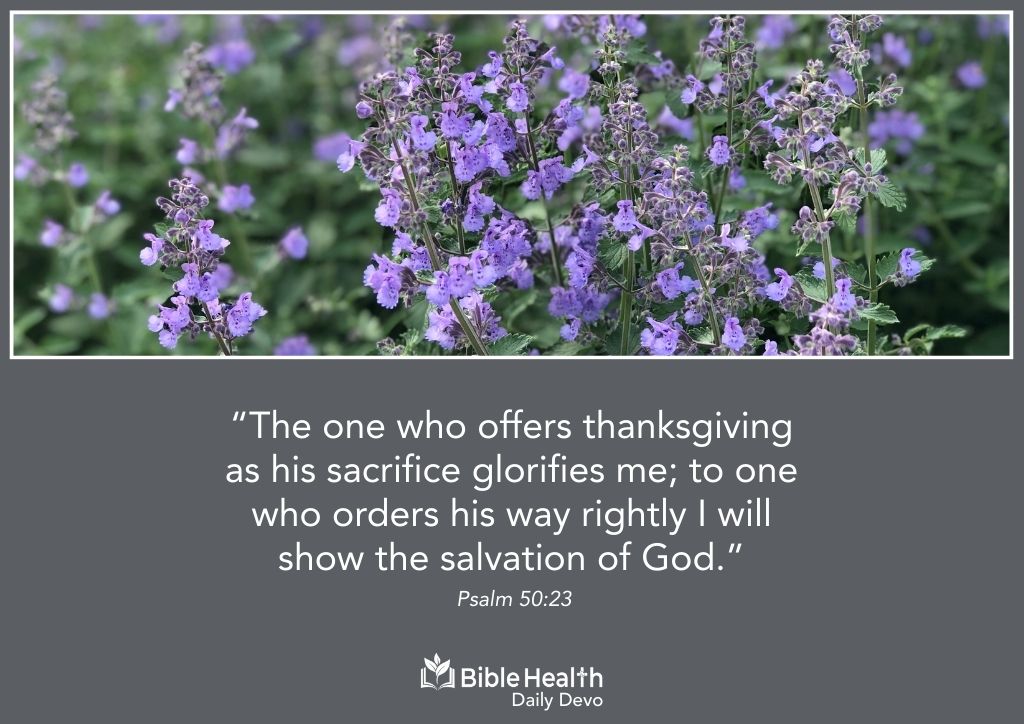


~ Psalm 50:23
Subscribe to this podcast on iTunes | Spotify
Psalm 50 addresses a misunderstanding about worship. God speaks to His people, clarifying that He is not sustained by offerings or rituals. He owns everything already. The issue is not the absence of sacrifice, but the heart behind it.
God desires gratitude that flows from recognition of who He is and what He has done. Thanksgiving, not transaction, is what brings Him glory.
In this psalm, God contrasts empty religious performance with responsive worship. Gratitude is described as a sacrifice because it requires awareness and humility. It acknowledges dependence rather than self-sufficiency.
To give thanks is to confess that life, provision, and rescue come from God, not from human effort. Gratitude aligns the heart with truth.
The verse also links gratitude to ordered living. Thanksgiving is not merely spoken. It shapes direction. A life ordered rightly reflects values formed by gratitude rather than entitlement.
When gratitude governs the heart, choices follow a different pattern. Complaints lose power. Contentment grows. Perspective shifts from scarcity to provision.
This truth applies naturally to Biblical health. God does not cause sickness, and gratitude influences how the body responds to life. Chronic dissatisfaction and stress place the body in a constant state of tension.
Gratitude supports regulation. It allows the nervous system to settle and the body to move out of defense mode. A thankful posture supports resilience and steadiness over time.
Food is one practical area where gratitude can be practiced daily. God-made foods are provision meant to be received with thanksgiving. When meals are approached with awareness and appreciation, nourishment becomes relational rather than rushed.
Sugary, addictive, processed foods often encourage mindless consumption, disconnecting eating from gratitude and care. Choosing real food can be an expression of thanksgiving. It honors God’s provision and the body’s design simultaneously.
Gratitude also shapes restraint. When provision is received as a gift, excess loses its appeal. Gratitude brings satisfaction that reduces the urge to overconsume or chase constant stimulation. It fosters contentment, which protects both body and soul from strain.
Living with gratitude does not deny hardship. Psalm 50 was not written to people without challenges. Gratitude does not ignore difficulty. It reframes it. Thanksgiving anchors trust in God’s faithfulness even when circumstances are imperfect. This anchoring steadies choices and preserves peace.
God promises that ordered living leads to clarity and deliverance. Gratitude helps order life rightly because it places God at the center. From that center, decisions align more naturally with wisdom. Gratitude becomes a guide rather than a reaction.
Living with gratitude glorifies God because it reflects trust. It says, You are enough. You are faithful. You are my source. That posture transforms ordinary moments into worship.
Prayer: Father, thank You for the gift of gratitude that honors You and restores perspective. Teach me to offer thanksgiving not only with words, but with the way I live. Help me steward my body, habits, and daily choices from a heart that recognizes Your provision. Guard me from complaint and entitlement, and shape my life through gratitude that brings peace, order, and trust in You.