


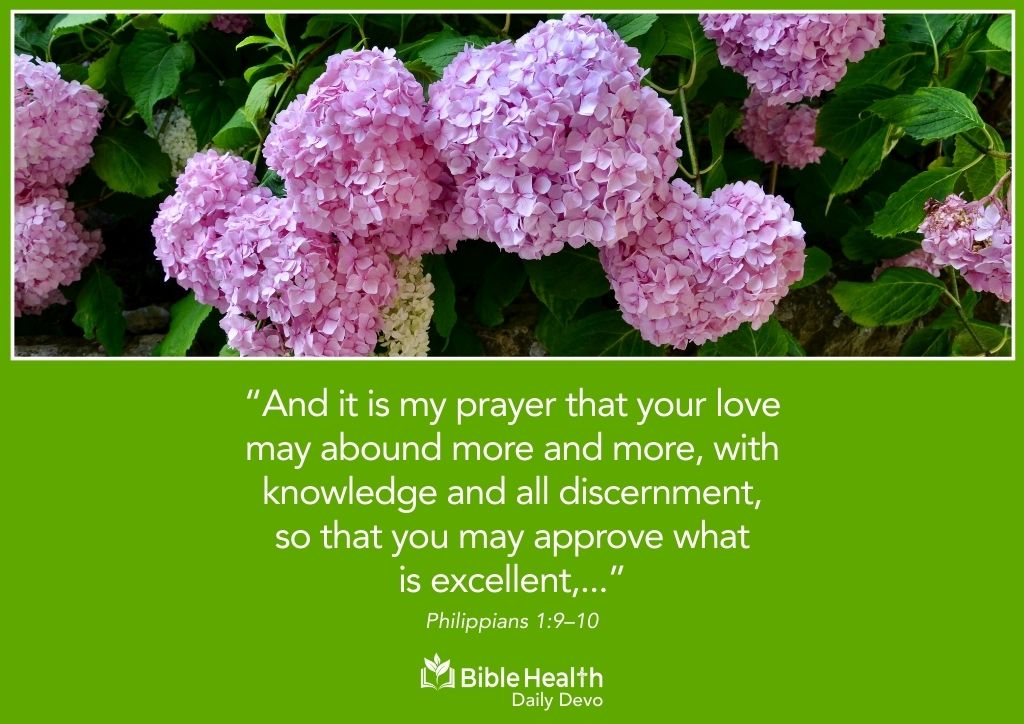


~ Philippians 1:9–10
Subscribe to this podcast on iTunes | Spotify
Paul opens his letter to the Philippians with gratitude and affection, then moves quickly into prayer. What he prays for is revealing. He does not ask for comfort, protection, or success. He asks that their love would grow, not sentimentally, but intelligently. Love, in Paul’s framework, must be guided by knowledge and discernment or it becomes misdirected.
Discernment here is the ability to perceive what truly matters. The original language points to moral and practical insight, the capacity to distinguish between what is merely permissible and what is excellent. Paul understood that believers would face many choices that were not clearly right or wrong. Discernment was necessary to navigate complexity without drifting from God’s design.
Notice the progression. Love grows, knowledge informs, discernment clarifies, and excellence is chosen. Discernment is not about suspicion or rigidity. It is about alignment. It allows a person to approve what leads to purity and integrity over time. Without discernment, good intentions can still lead to poor outcomes.
This truth has direct relevance for Biblical health. God does not cause sickness, but lack of discernment can lead to choices that slowly undermine well-being. Many habits are culturally accepted, marketed as harmless, or framed as normal, yet they conflict with how the body was designed to function. Discernment helps identify these conflicts before damage accumulates.
Discernment is especially needed around nourishment. Ultra-processed foods often present themselves as convenient solutions, fortified, optimized, or advanced. Discernment looks beyond claims and considers fruit. Does this support life, stability, and long-term function, or does it drive cycles of craving and depletion.
God-made foods generally require less justification. They align naturally with the body’s needs and rhythms. Choosing them is often an act of discernment rather than restriction.
Discernment also applies to pace and pressure. Not every opportunity is wise. Not every demand deserves agreement. Chronic overload can quietly erode health by keeping the nervous system in constant alert. Discernment allows peace to guide decisions, protecting energy and resilience.
Paul’s prayer shows that discernment is a form of love. It loves God enough to seek alignment. It loves others enough to choose integrity. It loves the body enough to avoid what harms, even subtly. Discernment is not about doing more. It is about choosing better.
Being chosen for discernment means God intends His people to live with clarity in a confusing world. Discernment grows as love deepens and truth is applied. Over time, it produces lives marked by stability, wisdom, and faithfulness.
Prayer: Father, thank You for desiring clarity for my life, not confusion. Grow my love alongside knowledge and discernment so I can recognize what is truly excellent. Help me make choices that honor You and protect the life You have entrusted to me. Guard me from subtle compromises, and teach me to listen carefully to Your wisdom so my habits, decisions, and direction reflect integrity and peace.