


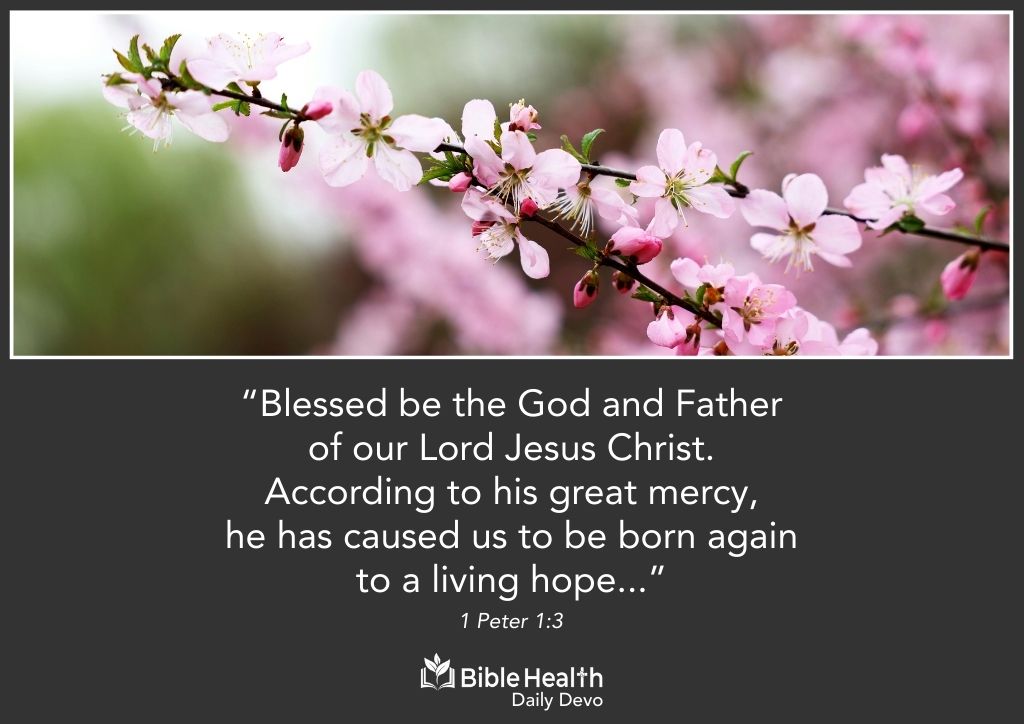


~ 1 Peter 1:3
Subscribe to this podcast on iTunes | Spotify
Peter wrote these words to believers who were scattered, pressured, and uncertain about what lay ahead. Their circumstances were not improving quickly. Yet Peter began by anchoring them in something unchanging. He pointed them back to what God had already done. New birth had already occurred. Hope was already alive.
The phrase “living hope” is central. This hope is not abstract optimism or wishful thinking. It is alive because it is rooted in a living Christ. Peter connects hope directly to the resurrection. Because Jesus rose from the dead, hope is not fragile or dependent on circumstances. It is active, sustaining, and resilient.
Peter also emphasizes mercy. New life did not begin because of human effort, discipline, or worthiness. It began because God acted. This matters because many people approach renewal as something to earn or force. Scripture presents renewal as something received. God initiates life. Our role is to respond.
This verse fits naturally with spring and new beginnings. Spring does not create life. It reveals it. What was dormant begins to emerge because conditions allow it. In the same way, living hope awakens what has been worn down by fear, fatigue, or disappointment. God does not cause sickness or decay. He brings life where trust is restored.
This truth speaks clearly into Biblical health. Hope influences the body more than many realize. When hope is absent, the nervous system stays guarded. Stress hormones remain elevated. Recovery slows. Living hope creates internal safety. The body responds to hope with greater adaptability and steadiness.
Living hope also shapes daily choices. When people believe renewal is possible, they are more willing to care for themselves patiently. Choosing real, God made foods over ultra processed options becomes an act of hope rather than restriction.
Real foods support the body’s natural design and restore trust in how God made us to function. Ultra processed foods often numb rather than nourish, reinforcing cycles of depletion.
Peter’s words remind us that new beginnings are not self manufactured. They are rooted in resurrection power. This means setbacks do not cancel hope. Weariness does not disqualify growth. Hope remains alive even when progress feels slow.
Spring growth is often uneven. Some days feel vibrant. Others feel quiet. Living hope holds steady through both. It does not demand constant improvement. It trusts that life is at work beneath the surface.
As this new season unfolds, this verse invites reflection. Where has hope become passive or buried? God offers a hope that is alive, active, and sustaining. It does not rush. It restores.
Prayer: Father, thank You for the living hope You have given through Jesus. Help me receive renewal as a gift rather than something to force. Restore hope where weariness has taken root. Guide my daily choices so they reflect trust in Your mercy and support the life You are bringing forth in me. Amen.