


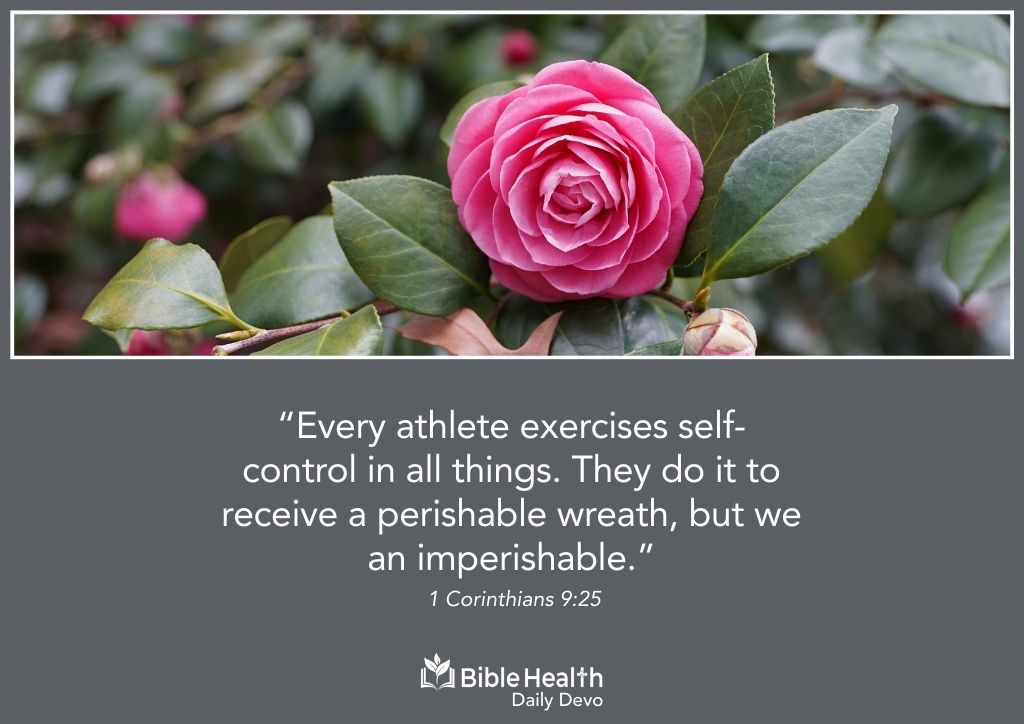


~ 1 Corinthians 9:25
Subscribe to this podcast on iTunes | Spotify
Paul wrote to the Corinthians using imagery they understood well. Athletic competitions were central to their culture, and training was respected. An athlete’s discipline was visible in daily life long before the competition began. Paul draws on this example to teach a spiritual truth. Self-control is not occasional restraint. It is a practiced way of living oriented toward a greater purpose.
In this passage, Paul is explaining why he willingly limits himself. He does not see restraint as loss, but as alignment. Athletes deny certain comforts not because those things are evil, but because they interfere with the goal. Paul applies this same logic to the Christian life. The reward believers pursue is not temporary recognition, but eternal fruit.
The Greek word translated self-control refers to mastery, not suppression. It implies governing desires rather than being governed by them. Paul is not promoting harshness toward the body. In the following verses, he clarifies that discipline trains the body to serve what matters most. Self-control orders desire so it does not dominate decision-making.
This principle connects directly to Biblical health. The body responds to what it is repeatedly given. God does not cause sickness, but lack of self-control can slowly disrupt balance. Overindulgence, constant stimulation, and unmanaged cravings place strain on systems designed for moderation. Self-control protects those systems by restoring proper boundaries.
In health choices, self-control often shows up in ordinary moments. Choosing nourishment over impulse. Pausing before excess. Recognizing when appetite is driven by stress rather than need. Sugary, processed foods and other addictive substances are designed to bypass self-control by overstimulating taste and reward pathways.
They make restraint more difficult, not easier. God-made foods support self-control because they work with hunger and fullness signals rather than overriding them.
Self-control also supports emotional and mental health. Without it, stress seeks immediate relief, often through habits that soothe briefly but harm over time. With self-control, space is created for better responses. Rest, prayer, and intentional nourishment become accessible again.
Paul’s comparison reminds us that discipline always serves a goal. The question is what goal is being served. Self-control directed toward God’s purposes leads to freedom, not restriction. It trains desire to align with truth rather than impulse.
The Holy Spirit invites reflection on what we are training for. Temporary comfort or lasting fruit. Self-control is not about deprivation. It is about devotion. When practiced with humility, it strengthens the body, steadies the mind, and supports a life ordered by wisdom.
Prayer: Father, thank You for calling me to a life shaped by purpose rather than impulse. Teach me self-control that honors You and protects what You have entrusted to me. Help me recognize when desire is leading me away from wisdom, and give me strength to choose what supports life and peace. Train my habits so they reflect devotion to You and confidence in Your design. Amen.